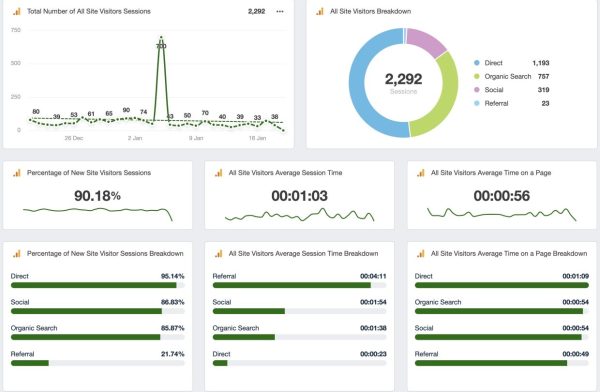
Measuring SEO success requires understanding which key metrics to track and how they align with your business goals. While ranking positions and traffic numbers are important, true SEO performance tracking goes beyond surface-level data to reveal what's actually driving business results. This comprehensive guide explores the essential SEO metrics that matter for measuring SEO success, from organic traffic growth and keyword rankings to conversion metrics, Core Web Vitals, and advanced AEO metrics and GEO metrics that reflect how AI systems and search engines evaluate your content.
Why Measuring SEO Success Matters
Effective SEO performance tracking is essential for understanding what's working, what needs improvement, and where to invest your optimization efforts. Without proper measuring SEO success through relevant SEO metrics, you're essentially optimizing blind. The right key metrics to track provide actionable insights that drive strategic decisions and demonstrate the ROI of SEO investment.
Modern SEO analytics must account for traditional search engine optimization metrics, as well as emerging factors like AEO visibility (how often AI answers cite your site) and GEO metrics (AI-readability and knowledge graph inclusion). A comprehensive approach to measuring SEO success ensures you're tracking metrics that align with actual business impact, not just vanity metrics that look good but don't drive results.
1. Organic Traffic Growth: The Foundation of SEO Success
Organic traffic growth is one of the most fundamental SEO metrics for measuring SEO success. This metric measures the number of visitors who find your website through unpaid search results, providing a clear indicator of your SEO performance tracking effectiveness.
Key Organic Traffic Metrics to Track
When measuring SEO success through organic traffic growth, focus on these specific key metrics to track:
- Total organic sessions: The overall number of visits from organic search provides a baseline for SEO performance tracking. Track this over time to identify trends and measure organic traffic growth.
- Organic new users: This SEO metric shows how many first-time visitors you're attracting from search, indicating your ability to expand your audience through SEO analytics.
- Trending visibility over time: Monitor how your organic traffic growth trends over weeks, months, and years. Consistent upward trends indicate successful SEO performance tracking and optimization efforts.
- Branded vs non-branded traffic: Understanding the ratio of branded to non-branded organic traffic helps assess whether your SEO metrics reflect true discovery or just brand recognition. High non-branded traffic indicates strong organic traffic growth from search optimization.
Effective SEO analytics for organic traffic growth involves tracking these metrics in Google Analytics, comparing periods, and identifying what content or optimizations correlate with traffic increases. This measuring SEO success approach helps you understand which strategies drive the most organic traffic growth.
2. Keyword Rankings: Tracking Your Search Visibility
Keyword rankings remain crucial SEO metrics for measuring SEO success, though they should be viewed in context with other key metrics to track. Your keyword rankings indicate where your content appears in search results, directly impacting organic traffic growth and search visibility.
Essential Keyword Ranking Metrics
Comprehensive SEO performance tracking for keyword rankings includes:
- Primary keyword positions: Track your rankings for your most important target keywords. These SEO metrics show whether your core optimization efforts are working for measuring SEO success.
- Secondary/long-tail keyword growth: Monitor rankings for supporting keywords and long-tail phrases. This SEO analytics approach reveals whether your content strategy is expanding your search visibility beyond primary terms.
- Featured snippets / People Also Ask: Track when your content appears in featured snippets or "People Also Ask" boxes. These positions significantly impact organic traffic growth and are important key metrics to track for measuring SEO success.
- Entity-based rankings (GEO/AEO impact): Monitor how your content ranks for entity-based queries that AI systems might answer. This advanced SEO metrics tracking helps measure AEO visibility and GEO metrics performance.
Use tools like Google Search Console, Ahrefs, or SEMrush for SEO performance tracking of keyword rankings. Regular monitoring of these SEO metrics helps identify opportunities and track progress in measuring SEO success.
3. Search Visibility: Understanding Impressions and Reach
Search visibility measures how often your content appears in search results, even if users don't click. This SEO metric is crucial for measuring SEO success because it indicates your potential reach and helps identify opportunities to improve click-through rate.
Search Visibility Metrics to Track
- Impressions from Google Search Console: Track total impressions to understand your search visibility across all keywords. This SEO analytics metric shows how often your content appears in search results.
- Visibility score in tools like Ahrefs/SEMrush: These tools calculate a search visibility score based on your keyword rankings and search volume. This SEO metric provides a single number for measuring SEO success over time.
- AEO visibility (how often AI answers cite your site): Track how frequently AI systems like ChatGPT, Perplexity, Gemini, and Claude reference your content. This advanced SEO metrics tracking measures AEO visibility, an increasingly important factor for measuring SEO success in the age of AI-powered search.
High search visibility with low clicks indicates an opportunity to improve titles, descriptions, or content to increase click-through rate. This SEO performance tracking insight helps optimize for better organic traffic growth.
4. Click-Through Rate (CTR): Converting Visibility into Traffic
Click-through rate (CTR) measures the percentage of people who see your content in search results and actually click on it. This SEO metric is crucial for measuring SEO success because it directly impacts organic traffic growth and indicates how well your titles and descriptions perform.
CTR Metrics for SEO Performance Tracking
- Average CTR from Search Console: Your overall click-through rate across all keywords provides a baseline for SEO performance tracking. Industry averages vary, but improving your CTR directly increases organic traffic growth.
- Page-level CTR: Track click-through rate for individual pages to identify which content performs best in search results. This SEO analytics approach helps optimize underperforming pages.
- Keyword-level CTR: Monitor click-through rate for specific keywords to understand which terms drive the most engagement. This SEO metrics detail helps refine your keyword rankings strategy.
- Snippet optimization performance: Track how different title and description variations affect click-through rate. This SEO performance tracking helps optimize your snippets for better measuring SEO success.
Improving click-through rate often involves optimizing titles to be more compelling, descriptions to be more informative, and ensuring your content matches user intent. This SEO analytics optimization directly impacts organic traffic growth without requiring better keyword rankings.
5. Engagement Metrics: Measuring User Experience Quality
Engagement metrics measure how users interact with your content once they arrive from search. These SEO metrics are important for measuring SEO success because search engines use engagement signals as ranking factors, and they indicate whether your content meets user needs.
Key Engagement Metrics to Track
- Bounce rate: The percentage of visitors who leave after viewing only one page. High bounce rates from organic traffic may indicate content doesn't match search intent, affecting your SEO performance tracking.
- Time on page: How long visitors spend reading your content. Longer time on page typically indicates valuable content, which is a positive signal for measuring SEO success.
- Pages per session: The average number of pages visitors view per session. Higher pages per session from organic traffic suggests engaging content that encourages exploration, improving your SEO metrics.
- Scroll depth (for content pages): How far users scroll down your pages. This engagement metrics detail helps identify whether users are actually reading your content, important for SEO performance tracking.
- Interaction rate (events, clicks, downloads): Track specific interactions like button clicks, form interactions, or downloads. These engagement metrics show how users engage with your content beyond just reading, valuable for measuring SEO success.
Strong engagement metrics from organic traffic indicate that your content successfully matches search intent and provides value. This positive signal can improve your keyword rankings and search visibility over time, making it an important component of SEO analytics.
6. Conversion Metrics: The Ultimate Measure of SEO Success
Conversion metrics are the most important SEO metrics for measuring SEO success because they directly connect SEO performance tracking to business outcomes. While organic traffic growth and keyword rankings are important, conversion metrics show whether your SEO efforts actually drive business results.
Essential Conversion Metrics for SEO
- Lead form submissions: Track how many leads come from organic search. This conversion metrics tracking directly measures the business impact of your SEO performance tracking efforts.
- Contact clicks: Monitor clicks on contact buttons, email links, or phone numbers from organic traffic. These conversion metrics indicate direct business inquiries from organic traffic growth.
- Phone calls: For local businesses, track phone calls from organic search. This conversion metrics detail is crucial for measuring SEO success for service-based businesses.
- Newsletter signups: Monitor email list growth from organic traffic. This conversion metrics tracking shows how SEO analytics contributes to long-term marketing goals.
- Micro-conversions (e.g. ebook downloads): Track smaller conversion actions that indicate engagement and interest. These conversion metrics help measure the full value of organic traffic growth.
- Conversion rate from organic traffic: Calculate the percentage of organic visitors who convert. This SEO metric helps assess the quality of your organic traffic and the effectiveness of your SEO performance tracking.
Setting up proper conversion metrics tracking in Google Analytics is essential for measuring SEO success. By connecting SEO metrics to business outcomes, you can demonstrate the ROI of SEO investment and make data-driven decisions about where to focus your optimization efforts.
7. Local SEO Metrics: Measuring Geographic Market Performance
For businesses with physical locations or service areas, local SEO metrics are essential for measuring SEO success. These SEO metrics track how well your business performs in location-based searches and help optimize your local search visibility.
Key Local SEO Metrics to Track
- Map Pack rankings: Track your position in the Google Map Pack (top 3 local results) for target keywords. This local SEO metrics tracking is crucial for measuring SEO success in local markets.
- Google Business Profile interactions: Monitor views, searches, website clicks, and direction requests from your Google Business Profile. These local SEO metrics show how your local presence drives engagement.
- Calls, direction requests, website visits: Track actions taken directly from your Google Business Profile. These conversion metrics for local SEO directly measure business impact from local search visibility.
- Local keyword visibility: Monitor your keyword rankings for location-based searches. This local SEO metrics tracking helps assess your search visibility in geographic markets.
- Reviews count + rating average: Track both the quantity and quality of reviews. These local SEO metrics significantly impact local search visibility and are important for measuring SEO success in local markets.
Effective local SEO metrics tracking requires monitoring both traditional SEO analytics and Google Business Profile insights. This comprehensive approach to measuring SEO success helps optimize your local presence and drive more local business.
8. Backlink Profile Health: Measuring Authority and Trust
Your backlink profile is a crucial component of SEO metrics for measuring SEO success. Quality backlinks from authoritative sites signal trust and authority to search engines, directly impacting your keyword rankings and search visibility.
Backlink Profile Metrics to Monitor
- Referring domains: The number of unique websites linking to your site. More referring domains typically indicates a stronger backlink profile, important for SEO performance tracking.
- Domain authority / domain rating: Metrics like Moz's Domain Authority or Ahrefs' Domain Rating assess the strength of your backlink profile. Higher scores indicate stronger SEO metrics for authority.
- New vs lost backlinks: Track whether you're gaining or losing backlinks over time. Consistent growth in referring domains is positive for measuring SEO success.
- Anchor text diversity: Monitor the variety of anchor text used in links to your site. Natural anchor text diversity indicates a healthy backlink profile and is important for SEO analytics.
- Quality and relevance of referring domains: Assess whether links come from authoritative, relevant sources. High-quality referring domains are more valuable for SEO performance tracking than numerous low-quality links.
Regular backlink profile audits help identify opportunities, monitor competitors, and ensure your link-building efforts contribute positively to measuring SEO success. Tools like Ahrefs, Moz, and SEMrush provide comprehensive SEO analytics for backlink profile analysis.
9. Technical SEO Health: Ensuring Search Engine Accessibility
Technical SEO health metrics measure how well search engines can crawl, index, and understand your website. These SEO metrics are foundational for measuring SEO success because technical issues can prevent even the best content from ranking.
Critical Technical SEO Metrics
- Core Web Vitals (LCP, FID, CLS): Google's Core Web Vitals measure Largest Contentful Paint (LCP), First Input Delay (FID), and Cumulative Layout Shift (CLS). These technical SEO health metrics directly impact rankings and are essential for SEO performance tracking.
- Site speed performance: Track page load times and overall site speed. Fast-loading sites rank better and provide better user experience, making site speed a crucial SEO metric for measuring SEO success.
- Mobile-friendly scores: Monitor how well your site performs on mobile devices. With mobile-first indexing, mobile-friendly scores are critical technical SEO health metrics.
- Crawl errors: Track 404 errors, server errors, and other issues that prevent search engines from crawling your site. Resolving crawl errors is essential for SEO performance tracking.
- Index coverage issues: Monitor which pages are indexed and identify pages that should be indexed but aren't. This technical SEO health metric helps ensure your content is discoverable.
- Structured data validity: Verify that your schema markup is valid and properly implemented. Valid structured data helps search engines understand your content, important for measuring SEO success.
Regular technical SEO health audits using Google Search Console and tools like PageSpeed Insights help identify and resolve issues that could hurt your keyword rankings and search visibility. This SEO analytics approach ensures your technical foundation supports your optimization efforts.
10. Content Performance: Identifying What Works
Content performance metrics help you understand which content drives organic traffic growth and contributes to measuring SEO success. This SEO analytics approach helps you identify successful content to replicate and underperforming content to improve.
Content Performance Metrics to Track
- Top-performing pages: Identify which pages drive the most organic traffic, conversions, and engagement. Understanding your top-performing pages helps replicate success in SEO performance tracking.
- Underperforming pages: Find pages with low traffic, high bounce rates, or poor keyword rankings. These underperforming pages represent optimization opportunities for measuring SEO success.
- Content decay (posts losing ranking): Monitor pages that are losing keyword rankings or traffic over time. Identifying content decay helps you update and refresh content to maintain search visibility.
- Engagement metrics: Track time on page, pages per session, and scroll depth for individual pieces of content. These content performance metrics indicate content quality and relevance.
- Search intent alignment: Assess whether your content matches what users are searching for. Proper search intent alignment improves click-through rate and conversion metrics, important for measuring SEO success.
Regular content performance analysis helps you make data-driven decisions about content creation, updates, and optimization. This SEO analytics approach ensures your content strategy contributes effectively to organic traffic growth and measuring SEO success.
11. AEO Metrics: Measuring Answer Engine Optimization Success
AEO metrics measure how well your content performs in AI-powered search systems like ChatGPT, Perplexity, Gemini, and Claude. These advanced SEO metrics are increasingly important for measuring SEO success as AI-powered search grows.
Key AEO Metrics to Track
- Number of AI answers referencing your site: Track how often AI systems cite your content when answering questions. This AEO visibility metric indicates whether your content is being recognized by AI systems, important for measuring SEO success in the age of AI search.
- Snippet-level authority: Monitor how often your content appears in featured snippets, which AI systems often use as source material. High snippet-level authority improves AEO visibility and is a valuable SEO metric.
- FAQ visibility: Track how often your FAQ content is cited by AI systems. Strong FAQ visibility indicates effective AEO metrics performance.
- Entity recognition by AI engines: Monitor whether AI systems correctly identify and associate your business with relevant entities. Proper entity recognition improves AEO visibility and helps with measuring SEO success in AI-powered search.
- Accuracy of AI summaries of your brand: Track how accurately AI systems describe your business when users ask about your industry or services. Accurate AI summaries indicate strong AEO metrics and help with SEO performance tracking in AI contexts.
While AEO metrics can be challenging to measure directly, monitoring mentions in AI responses, tracking featured snippet appearances, and analyzing how AI systems describe your business provides valuable insights for measuring SEO success in AI-powered search environments.
12. GEO Metrics: Measuring Generative Engine Optimization
GEO metrics measure how well your content is structured for AI systems to learn from and incorporate into their knowledge bases. These SEO metrics assess whether your content is machine-readable and optimized for AI training, important for long-term measuring SEO success.
Essential GEO Metrics for SEO Performance Tracking
- AI-readability of content: Assess whether your content is structured in ways that AI systems can easily parse and understand. High AI-readability improves your GEO metrics and helps with measuring SEO success in AI contexts.
- Structured and machine-parsable pages: Track how many of your pages use proper structured data and schema markup. Machine-parsable content is more likely to be incorporated into AI knowledge bases, improving GEO metrics.
- Entity associations (NLP signals): Monitor how well your content establishes clear entity relationships that AI systems can understand. Strong entity associations improve GEO metrics and help with SEO performance tracking.
- Knowledge graph inclusion: Track whether your business appears in Google's Knowledge Graph or similar knowledge bases. Knowledge graph inclusion indicates strong GEO metrics and authority.
- AI-generated traffic sources: Monitor traffic from AI platforms and AI-powered search features. This GEO metrics tracking helps measure whether your content is being used by AI systems, important for measuring SEO success in AI-powered search.
While GEO metrics are newer and can be harder to measure directly, focusing on creating machine-readable content with proper structured data, clear entity relationships, and comprehensive coverage helps improve these SEO metrics over time.
13. Business Impact Metrics: Connecting SEO to Revenue
Business impact metrics are the most important SEO metrics for measuring SEO success because they connect SEO performance tracking directly to business outcomes. These key metrics to track demonstrate the ROI of SEO investment and help justify continued optimization efforts.
Critical Business Impact Metrics
- Cost per acquisition (from organic): Calculate how much it costs to acquire a customer through organic search. Lower cost per acquisition from organic traffic indicates efficient SEO performance tracking and strong ROI of SEO investment.
- Customer lifetime value: Track the total value of customers acquired through organic search. High customer lifetime value from SEO indicates that organic traffic growth brings valuable, long-term customers.
- Organic revenue growth: Measure revenue directly attributable to organic search traffic. This business impact metrics tracking directly demonstrates the value of your SEO analytics efforts.
- ROI of SEO investment: Calculate the return on investment for your SEO efforts by comparing revenue from organic traffic to SEO costs. This business impact metrics calculation is essential for measuring SEO success and justifying continued investment.
- Market share vs competitors: Compare your organic traffic growth and keyword rankings to competitors. This business impact metrics analysis helps assess your competitive position and identify opportunities for measuring SEO success.
Connecting SEO metrics to business impact metrics requires proper tracking setup in analytics tools and e-commerce platforms. This SEO analytics approach ensures you can demonstrate the true value of your SEO efforts and make data-driven decisions about SEO performance tracking priorities.
14. Competitor Benchmarking: Understanding Your Competitive Position
Competitor benchmarking helps you understand how your SEO metrics compare to competitors and identify opportunities for improvement. This SEO analytics approach is essential for measuring SEO success in context and developing effective optimization strategies.
Competitor Benchmarking Metrics
- Competitor ranking visibility: Track which keywords your competitors rank for that you don't. This competitor benchmarking analysis helps identify keyword opportunities for SEO performance tracking.
- Gap analysis (keyword, content, links): Compare your keyword rankings, content coverage, and backlink profile to competitors. This competitor benchmarking approach reveals where you're falling behind and where you're ahead in measuring SEO success.
- SERP share vs top competitors: Calculate what percentage of search results pages you appear on compared to competitors. This competitor benchmarking metric helps assess your search visibility relative to competitors.
- Competitive content performance: Analyze which content topics and formats perform best for competitors. This competitor benchmarking insight helps inform your content strategy for organic traffic growth.
Regular competitor benchmarking using tools like Ahrefs, SEMrush, or SimilarWeb helps you stay competitive and identify opportunities. This SEO analytics approach ensures your SEO performance tracking keeps pace with industry standards and competitor performance.
Creating Your SEO Metrics Dashboard
Effective measuring SEO success requires organizing your key metrics to track into a comprehensive dashboard. A well-designed SEO metrics dashboard provides a clear view of your SEO performance tracking at a glance.
Dashboard Organization Best Practices
When creating your SEO analytics dashboard:
- Prioritize business impact: Place business impact metrics and conversion metrics prominently, as these are most important for measuring SEO success
- Group related metrics: Organize SEO metrics by category (traffic, rankings, conversions, technical) for easier analysis
- Show trends over time: Display SEO performance tracking data over weeks, months, and years to identify patterns
- Include goal tracking: Compare actual SEO metrics to goals to assess progress in measuring SEO success
- Make it actionable: Ensure your SEO analytics dashboard highlights areas needing attention, not just raw data
Setting SEO Goals and KPIs
Effective measuring SEO success requires setting clear goals and key performance indicators (KPIs) based on your key metrics to track. Goals should be specific, measurable, achievable, relevant, and time-bound (SMART).
Common SEO Goals and KPIs
- Organic traffic growth: Set targets for organic traffic increases (e.g., 25% growth in 6 months)
- Keyword rankings: Establish goals for ranking improvements (e.g., 10 keywords in top 3 positions)
- Conversion metrics: Set targets for conversion rate improvements or specific conversion numbers
- Technical SEO health: Establish targets for Core Web Vitals scores and site speed improvements
- Business impact metrics: Set revenue or lead generation goals from organic traffic
Regularly review your goals and adjust based on SEO performance tracking results. This SEO analytics approach ensures your goals remain relevant and achievable as you work toward measuring SEO success.
Common Mistakes in Measuring SEO Success
Many businesses make mistakes when measuring SEO success that can lead to poor decisions and wasted efforts. Common pitfalls include:
- Focusing only on rankings: While keyword rankings are important, they don't tell the full story. Include conversion metrics and business impact metrics in your SEO performance tracking.
- Ignoring engagement metrics: High traffic with poor engagement metrics indicates content that doesn't meet user needs, which can hurt rankings over time.
- Not tracking conversions: Without conversion metrics, you can't demonstrate the ROI of SEO investment or justify continued optimization efforts.
- Overlooking technical SEO health: Technical issues can prevent even great content from ranking. Regular technical SEO health audits are essential for measuring SEO success.
- Comparing apples to oranges: Ensure you're comparing similar time periods, accounting for seasonality, and considering external factors when analyzing SEO metrics.
- Ignoring AEO and GEO metrics: As AI-powered search grows, AEO visibility and GEO metrics become increasingly important for comprehensive measuring SEO success.
Tools for Measuring SEO Success
Effective SEO performance tracking requires the right tools for measuring SEO success. Essential tools include:
Essential SEO Analytics Tools
- Google Analytics: Tracks organic traffic growth, engagement metrics, and conversion metrics
- Google Search Console: Provides search visibility data, keyword rankings insights, and technical SEO health information
- Ahrefs or SEMrush: Comprehensive SEO analytics tools for keyword rankings, backlink profile analysis, and competitor benchmarking
- PageSpeed Insights: Measures Core Web Vitals and site speed performance
- Schema markup validators: Verify structured data implementation for technical SEO health
Conclusion: A Comprehensive Approach to Measuring SEO Success
Measuring SEO success requires a comprehensive approach that goes beyond simple keyword rankings or organic traffic growth. Effective SEO performance tracking includes key metrics to track across multiple categories: traffic and visibility metrics, engagement metrics, conversion metrics, technical SEO health, content performance, backlink profile strength, and advanced AEO metrics and GEO metrics.
The most successful SEO strategies connect SEO metrics to business impact metrics, demonstrating the ROI of SEO investment and making data-driven decisions about optimization priorities. By tracking the right key metrics to track and regularly analyzing your SEO analytics, you can identify what's working, what needs improvement, and where to focus your efforts for maximum impact.
Remember that measuring SEO success is an ongoing process, not a one-time assessment. Regular SEO performance tracking helps you stay ahead of changes in search algorithms, competitor strategies, and market conditions. The businesses that invest in comprehensive SEO analytics and consistently track the right SEO metrics are best positioned to achieve sustainable organic traffic growth, improve keyword rankings, and drive real business results through search engine optimization.
Whether you're tracking traditional SEO metrics like organic traffic growth and keyword rankings, or advanced metrics like AEO visibility and GEO metrics, the key is consistency, comprehensiveness, and connecting metrics to business outcomes. By focusing on the key metrics to track that align with your business goals, you can effectively measure SEO success and optimize your strategy for long-term growth.