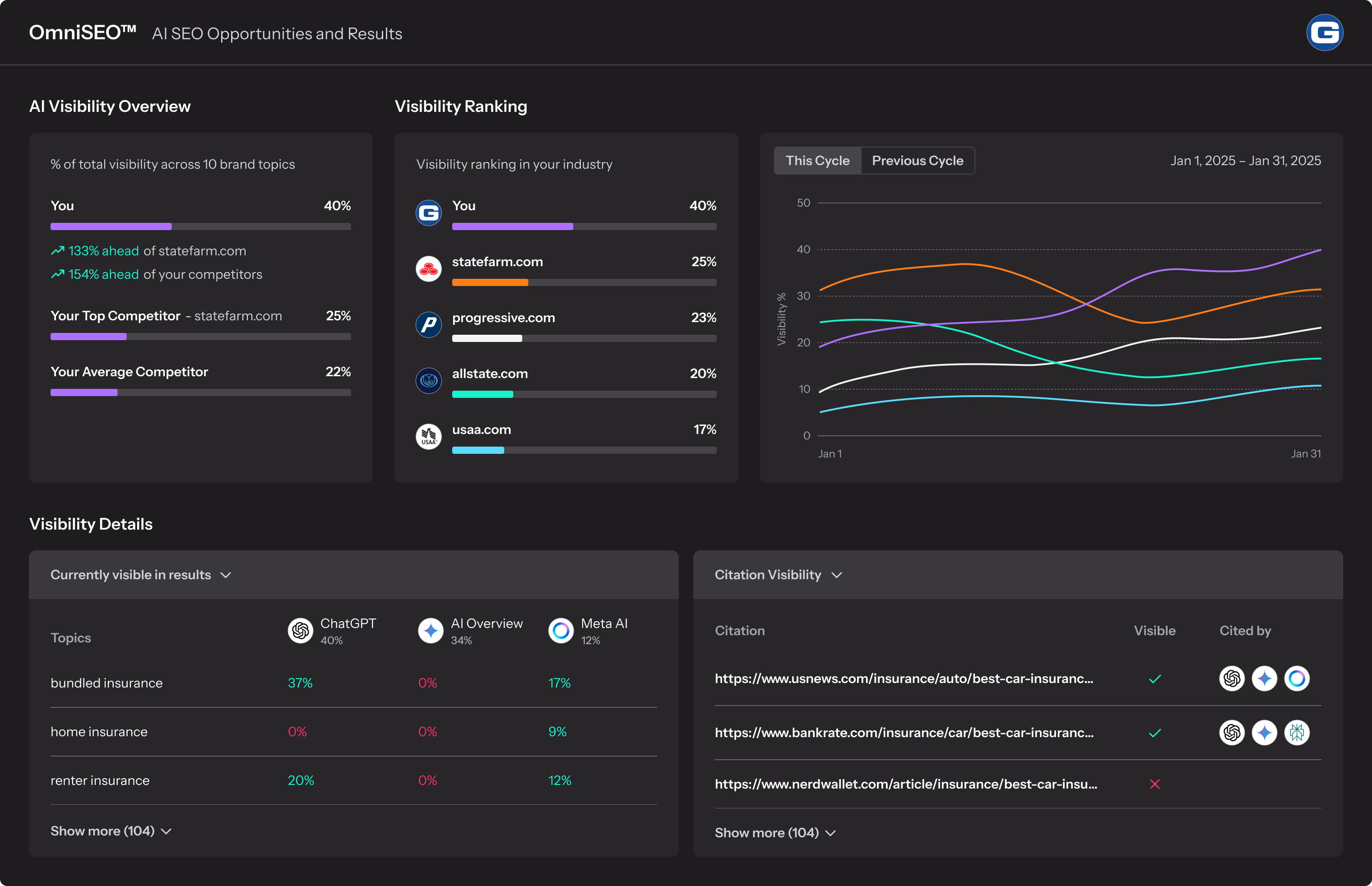
For local businesses, local SEO isn't just a marketing strategy—it's the difference between thriving and struggling to attract customers. Local SEO services and a comprehensive local SEO strategy can help you dominate your local market by ensuring your business appears when potential customers search for services in your area. This comprehensive guide explores geographic SEO, local search optimization, and proven local ranking strategies that drive real results for local business SEO and SEO for local businesses.
What is Local SEO and Why is it Important?
Local SEO, also known as local search optimization or geographic SEO, is the practice of optimizing your online presence to attract more business from relevant local searches. Unlike traditional SEO that targets broad audiences, local business SEO focuses on appearing in location-based searches like "restaurants near me" or "plumber in Toronto."
The importance of local SEO cannot be overstated. Studies show that 76% of people who search on their smartphone for something nearby visit a business within 24 hours, and 28% of those searches result in a purchase. For businesses with physical locations or service areas, local marketing optimization through effective local SEO services is essential for survival and growth.
How Local SEO Works
Local SEO works by optimizing your business for proximity-based ranking factors that search engines use to determine which businesses to show for location-based queries. When someone searches "best coffee shop near me," search engines consider three primary factors: relevance, distance, and prominence. Understanding how local SEO works is the foundation of any successful local SEO strategy.
Relevance refers to how well your business matches what the user is searching for. Distance considers how close your business is to the searcher's location. Prominence measures how well-known your business is online, including factors like reviews, citations, and overall online presence. Effective local search optimization addresses all three factors to maximize local search visibility.
Understanding How Google Determines Local Ranking
Google's local ranking algorithm is complex, but understanding how Google determines local ranking is crucial for developing an effective local SEO strategy. Google considers numerous factors when ranking businesses in local search results, including:
Primary Local Ranking Factors
- Google Business Profile optimization: A complete, accurate, and optimized Google Business Profile is essential for local search visibility and map pack ranking
- NAP consistency: Ensuring your Name, Address, and Phone number are identical across all platforms is critical for local SEO success
- Local citations: Building local citations in relevant local directories establishes your business presence and improves local authority ranking
- Reviews and ratings: The quantity and quality of reviews significantly impact local search rankings and local search conversions
- Location-based content: Creating location-based content and region-specific SEO content helps establish relevance for geographic searches
- Local backlink strategy: Earning links from local websites, directories, and organizations builds local trust signals and improves local search visibility
Google Business Profile Optimization: Your Foundation for Local SEO
Google Business Profile optimization is the cornerstone of any successful local SEO strategy. Your Google Business Profile is often the first thing potential customers see when searching for local businesses, making it essential for local search optimization and map pack ranking.
How to Optimize Your Google Business Profile
How can I optimize my Google Business Profile? Here's a comprehensive approach to Google Business Profile optimization:
- Complete all information: Fill out every section of your Google Business Profile, including business hours, services, attributes, and description. Complete profiles rank higher in local search results.
- Use relevant keywords: Naturally incorporate local keyword research findings into your business description and service listings to improve local search visibility.
- Add high-quality photos: Regularly upload photos of your business, products, and services. Businesses with photos receive more clicks and better local search conversions.
- Post regularly: Use Google Posts to share updates, offers, and events. Regular posting signals an active business and improves local ranking strategies.
- Respond to reviews: Actively manage and respond to customer reviews. This builds local trust signals and demonstrates engagement, which positively impacts local search rankings.
- Choose accurate categories: Select the most specific categories that accurately describe your business. Proper categorization is crucial for geotargeted search results.
- Verify your location: Complete the verification process to ensure your business appears in local search results and qualifies for map pack ranking.
NAP Consistency: The Backbone of Local SEO
What is NAP consistency in local SEO? NAP stands for Name, Address, and Phone number. NAP consistency means ensuring your business information is identical across all online platforms, including your website, Google Business Profile, local directories, social media profiles, and any other online listings.
Why is NAP consistency so important? Search engines use business location data to verify and validate your business information. Inconsistent information creates confusion and can hurt your local search rankings. When your Name, Address, and Phone number match exactly across all platforms, search engines have more confidence in your business location data, which improves your local authority ranking and local search visibility.
Implementing NAP Consistency
To achieve NAP consistency:
- Use the exact same business name everywhere (including abbreviations, punctuation, and capitalization)
- Format your address identically across all platforms
- Use the same phone number format (with or without area code, dashes, etc.)
- Regularly audit your local citations to ensure consistency
- Update any inconsistencies you find immediately
Local Citations and Directory Listings
Local citations are mentions of your business name, address, and phone number on other websites, even if they don't link to your site. These local citations in local directories are crucial for local SEO because they help search engines verify your business information and establish your presence in your geographic area.
Building Effective Local Citations
An effective local backlink strategy includes building local citations in:
- Major directories: Yelp, Yellow Pages, Bing Places, and industry-specific directories
- Local directories: City-specific and regional business directories
- Industry directories: Trade associations and professional organization listings
- Data aggregators: Infogroup, Acxiom, Localeze, and Factual, which distribute your information to multiple platforms
When building local citations, ensure NAP consistency across all platforms. Each citation should use the exact same business name, address format, and phone number. This consistency helps search engines understand your business location data and improves your local search visibility.
Local Keyword Research: Finding the Right Terms
Local keyword research is fundamental to any local SEO strategy. Unlike broad SEO keywords, local keyword research focuses on terms that include location modifiers, service area indicators, and "near me" searches that drive local search conversions.
Effective Local Keyword Research Strategies
To conduct effective local keyword research:
- Include location modifiers: Add your city, neighborhood, or region to service keywords (e.g., "plumber in Toronto" or "restaurant downtown Montreal")
- Target "near me" searches: Optimize for mobile searches like "coffee shop near me" or "dentist near me"
- Use service area keywords: Include terms that indicate your service area (e.g., "serving Greater Toronto Area")
- Research competitor keywords: Analyze what keywords successful local competitors are ranking for
- Consider long-tail variations: Target specific phrases like "best Italian restaurant in Old Montreal" or "emergency plumber 24/7 Toronto"
Effective local keyword research helps you create location-based content that matches how potential customers actually search, improving your local search visibility and local search conversions.
Getting Into the Google Map Pack
How do I get into the Google Map Pack? The Google Map Pack (also called the Local Pack) is the top three local businesses that appear in Google search results for local queries. Appearing in the map pack ranking is highly valuable because these three positions receive 44% of all local search clicks.
Strategies for Map Pack Ranking
To improve your map pack ranking and get into the Google Map Pack:
- Optimize your Google Business Profile: Complete Google Business Profile optimization with accurate information, photos, and regular posts
- Build local citations: Establish your presence with consistent local citations across relevant local directories
- Earn quality reviews: Encourage satisfied customers to leave reviews, as review quantity and quality significantly impact map pack ranking
- Improve proximity: While you can't change your physical location, ensure your service area is clearly defined in your Google Business Profile
- Create location-specific content: Develop location-based content that targets local keywords and demonstrates local relevance
- Build local links: Implement a local backlink strategy to earn links from local websites, organizations, and directories
- Maintain NAP consistency: Ensure NAP consistency across all platforms to build trust with search engines
Location-Based Content and Region-Specific SEO
Creating location-based content and implementing region-specific SEO is essential for establishing local relevance and improving local search visibility. This geolocation-relevant content helps search engines understand your connection to specific geographic areas.
Creating Effective Location-Based Content
Effective location-based content for local SEO includes:
- Service area pages: Create dedicated pages for each neighborhood, city, or region you serve, explaining your services in that area
- Local blog content: Write about local events, news, and topics relevant to your community
- Local case studies: Share success stories from local clients to demonstrate your local presence
- Neighborhood guides: Create helpful guides about local areas, incorporating local keyword research naturally
- Local testimonials: Feature reviews and testimonials from local customers with location references
This region-specific SEO approach creates geolocation-relevant content that helps search engines understand your local connection, improving your local search visibility and proximity-based ranking.
Hyperlocal SEO: Targeting Neighborhoods and Communities
Hyperlocal SEO takes local SEO to an even more granular level, targeting specific neighborhoods, communities, or even streets within a city. This advanced local SEO strategy is particularly effective for businesses that serve very specific geographic areas.
Implementing Hyperlocal SEO Strategies
To implement hyperlocal SEO:
- Target neighborhood keywords: Create content targeting specific neighborhoods (e.g., "plumber in Kensington Market" or "restaurant in Plateau Mont-Royal")
- Build neighborhood citations: Get listed in neighborhood-specific directories and community websites
- Engage with local communities: Participate in local events, sponsor community activities, and build relationships with neighborhood organizations
- Create hyperlocal content: Write about neighborhood-specific topics, events, and news to establish local relevance
- Optimize for local landmarks: Reference nearby landmarks, parks, and well-known locations in your content
Structured Data and Schema Markup for Local SEO
Structured data for local SEO and schema markup for local businesses help search engines understand your business information more clearly. This structured location metadata improves how search engines interpret and display your business in geotargeted search results.
Essential Schema Markup for Local Businesses
Key schema markup for local businesses includes:
- LocalBusiness schema: Provides essential business information including name, address, phone, and business hours
- Service schema: Describes the services you offer, helping search engines match your business to relevant searches
- Review schema: Displays aggregate ratings and reviews in search results, improving click-through rates
- GeoCoordinates schema: Provides precise location data for machine-readable business data
- OpeningHours schema: Helps search engines understand when your business is open
This structured data for local SEO creates machine-readable business data that helps search engines understand your business location data and improves your local search visibility.
Local Reviews: Impact on SEO and Conversions
Do local reviews impact SEO? Absolutely. Reviews are one of the most important factors for local SEO success. They serve multiple purposes: they provide local trust signals to search engines, influence local search rankings, and directly impact local search conversions by building customer confidence.
How Reviews Impact Local SEO
Reviews impact local SEO in several ways:
- Ranking factor: The quantity, quality, and recency of reviews directly influence local search rankings and map pack ranking
- Click-through rates: Businesses with more and better reviews receive more clicks from search results, improving overall local search visibility
- Local trust signals: Reviews provide local trust signals that help search engines determine business credibility and authority
- Conversion factor: Positive reviews directly impact local search conversions by building customer trust and confidence
Managing Reviews for Local SEO Success
To maximize the local SEO benefits of reviews:
- Encourage reviews: Ask satisfied customers to leave reviews on Google, Yelp, and other relevant platforms
- Respond to all reviews: Show engagement by responding to both positive and negative reviews professionally
- Monitor review platforms: Track reviews across multiple platforms to maintain your online reputation
- Address negative reviews: Respond to negative reviews constructively to demonstrate customer service commitment
- Highlight positive reviews: Feature positive reviews on your website to build local trust signals
Local Link Building Strategy
A comprehensive local backlink strategy is essential for building local authority ranking and improving local search visibility. Local links from relevant, authoritative sources provide local trust signals that search engines value highly.
Effective Local Link Building Tactics
To build an effective local backlink strategy:
- Local directories: Get listed in relevant local directories and industry-specific directories
- Local organizations: Join local chambers of commerce, business associations, and community groups that list members
- Local news and media: Earn coverage in local newspapers, blogs, and media outlets
- Sponsorships: Sponsor local events, sports teams, or community organizations that link to sponsors
- Local partnerships: Partner with complementary local businesses for cross-promotion and link opportunities
- Local content: Create valuable location-based content that local websites want to link to
Mobile Optimization for Local SEO
Mobile optimization is crucial for local SEO because the majority of local searches happen on mobile devices. Studies show that 88% of "near me" searches occur on mobile, making mobile-friendly websites essential for local search optimization and local search conversions.
Mobile-First Local SEO Considerations
For effective mobile local SEO:
- Fast loading times: Ensure your website loads quickly on mobile devices, as speed impacts local search rankings
- Click-to-call buttons: Make it easy for mobile users to call your business directly
- Mobile-friendly design: Ensure your website is responsive and easy to navigate on mobile devices
- Location-based features: Include features like "get directions" and location maps that work well on mobile
- Local business information: Display your address, hours, and contact information prominently on mobile pages
Multi-Location SEO: Managing Multiple Locations
For businesses with multiple locations, multi-location SEO requires a strategic approach to avoid duplicate content issues while optimizing each location for local search optimization. Each location needs its own optimization strategy while maintaining brand consistency.
Best Practices for Multi-Location SEO
Effective multi-location SEO includes:
- Location-specific pages: Create unique service area pages for each location with location-specific content
- Separate Google Business Profiles: Maintain separate, fully optimized Google Business Profiles for each location
- Location-specific NAP: Ensure NAP consistency for each location across all platforms
- Localized content: Create location-based content that's unique to each location
- Location-specific schema: Use schema markup for local businesses for each location separately
Measuring Local SEO Success
Measuring local SEO success requires tracking metrics specific to local search optimization. Key metrics to monitor include:
Essential Local SEO Metrics
- Local search visibility: Track how often your business appears in local search results for target keywords
- Map pack ranking: Monitor your position in the Google Map Pack for key local searches
- Google Business Profile insights: Track views, searches, website clicks, and direction requests
- Local search conversions: Measure phone calls, form submissions, and store visits from local searches
- Citation consistency: Monitor NAP consistency across all local citations
- Review growth: Track the quantity and quality of reviews over time
- Local traffic: Monitor website traffic from local searches and geographic areas
How Long Does Local SEO Take?
How long does local SEO take? This is one of the most common questions about local SEO. While results vary, most businesses see initial improvements in local search visibility within 3-6 months of implementing a comprehensive local SEO strategy.
Local SEO Timeline Expectations
Typical local SEO timelines include:
- 1-3 months: Initial improvements in local search visibility, Google Business Profile optimization completion, and local citations building
- 3-6 months: Noticeable improvements in local search rankings, increased map pack ranking appearances, and growth in local search conversions
- 6-12 months: Significant improvements in local search visibility, consistent map pack ranking positions, and measurable increases in local search conversions
- 12+ months: Established local authority ranking, consistent top positions in local search results, and sustainable local search conversions
Factors that affect local SEO timeline include competition level, industry, existing online presence, and consistency of optimization efforts. A comprehensive local SEO strategy implemented consistently yields the best results.
What Affects Local Visibility the Most?
What affects local visibility the most? Several factors have the greatest impact on local search visibility:
Top Factors Affecting Local Search Visibility
- Google Business Profile optimization: A complete, accurate, and actively managed Google Business Profile is the single most important factor for local search visibility
- Review quantity and quality: The number and quality of reviews significantly impact local search rankings and map pack ranking
- NAP consistency: Consistent NAP consistency across all platforms builds trust and improves local search visibility
- Local citations: The quantity and quality of local citations in relevant local directories affect local authority ranking
- Proximity: Physical distance from the searcher influences proximity-based ranking, though you can optimize for service areas
- Local content: Location-based content and region-specific SEO content establish local relevance
- Local links: A strong local backlink strategy builds local trust signals and improves local search visibility
The Best Local SEO Strategy for Small Businesses
What is the best local SEO strategy for small businesses? Small businesses need a focused, practical local SEO strategy that delivers results without overwhelming resources. Here's a step-by-step approach:
Step-by-Step Local SEO Strategy for Small Businesses
- Optimize Google Business Profile: Complete Google Business Profile optimization with accurate information, photos, and regular posts
- Ensure NAP consistency: Verify NAP consistency across your website, Google Business Profile, and all local directories
- Build local citations: Get listed in major local directories and industry-specific directories
- Encourage reviews: Develop a system to encourage satisfied customers to leave reviews
- Create location-based content: Develop location-based content that targets local keyword research findings
- Implement local schema: Add schema markup for local businesses to help search engines understand your business
- Build local links: Implement a local backlink strategy to earn links from local sources
- Monitor and optimize: Track local search visibility and adjust your local SEO strategy based on results
Advanced Local SEO Techniques
Beyond the fundamentals, advanced local SEO techniques can help you gain a competitive edge in local search optimization:
Advanced Strategies for Dominating Local Markets
- Local content clusters: Create regionally structured content clusters that establish comprehensive local authority
- Entity optimization: Implement location-based entity optimization to help search engines understand your business relationships and local connections
- Local topic entities: Develop content around local topic entities that establish your expertise in local subjects
- Structured location metadata: Use structured location metadata to provide clear search engine understanding of service area
- Authoritative local SEO content: Create authoritative local SEO content that becomes a go-to resource for local information
- Machine-readable business data: Ensure all your business location data is machine-readable through proper structured data for local SEO
Common Local SEO Mistakes to Avoid
Many businesses make avoidable mistakes that hurt their local SEO performance. Common pitfalls include:
- Inconsistent NAP: Failing to maintain NAP consistency across platforms confuses search engines and hurts local search rankings
- Incomplete Google Business Profile: An incomplete or unoptimized Google Business Profile limits local search visibility and map pack ranking potential
- Ignoring reviews: Not actively managing reviews misses opportunities to build local trust signals and improve local search conversions
- Generic content: Failing to create location-based content and region-specific SEO content limits local relevance
- Poor mobile optimization: Neglecting mobile optimization hurts local search optimization since most local searches are mobile
- Keyword stuffing: Over-optimizing with keywords makes content less natural and can hurt local search rankings
Local SEO Services: When to Hire Professionals
While many local SEO tasks can be done in-house, local SEO services from experienced professionals can accelerate results and ensure comprehensive optimization. Consider professional local SEO services when:
- You lack the time or expertise to implement a comprehensive local SEO strategy
- You need faster results than you can achieve on your own
- You're competing in highly competitive local markets
- You have multiple locations requiring multi-location SEO expertise
- You need advanced local SEO techniques like structured data for local SEO and schema markup for local businesses
Conclusion: Dominating Your Geographic Market with Local SEO
Local SEO is essential for any business that serves customers in specific geographic areas. By implementing a comprehensive local SEO strategy that includes Google Business Profile optimization, NAP consistency, local citations, location-based content, and effective local ranking strategies, businesses can significantly improve their local search visibility and local search conversions.
The key to dominating your local market through local SEO is consistency, patience, and a comprehensive approach. Whether you're implementing local SEO yourself or working with local SEO services, focus on the fundamentals: complete Google Business Profile optimization, maintain NAP consistency, build quality local citations, encourage reviews, and create valuable location-based content. These local ranking strategies form the foundation of successful local search optimization.
As local SEO continues to evolve, businesses that invest in comprehensive local SEO services and stay current with best practices will maintain their competitive advantage. The businesses that start optimizing for local search now will be best positioned to capture the growing number of local searches and dominate their local market in the years ahead.
Frequently Asked Questions About Local SEO
What is local SEO and why is it important?
Local SEO is the practice of optimizing your online presence to attract more business from relevant local searches. It's important because 76% of people who search on their smartphone for something nearby visit a business within 24 hours, making local search optimization essential for businesses with physical locations or service areas.
How do I rank higher in local search results?
To rank higher in local search results, focus on Google Business Profile optimization, maintain NAP consistency across all platforms, build quality local citations, encourage customer reviews, create location-based content, and implement a local backlink strategy. These local ranking strategies improve your local search visibility and map pack ranking.
How does Google determine local ranking?
How Google determines local ranking involves three primary factors: relevance (how well your business matches the search), distance (proximity to the searcher), and prominence (online reputation including reviews, citations, and overall presence). Google Business Profile optimization, NAP consistency, local citations, and reviews all influence these factors.
How can I optimize my Google Business Profile?
How to optimize your Google Business Profile includes completing all information sections, using relevant keywords from local keyword research, adding high-quality photos, posting regularly, responding to reviews, choosing accurate categories, and verifying your location. Complete Google Business Profile optimization is essential for local search visibility and map pack ranking.
How long does local SEO take?
How long local SEO takes varies, but most businesses see initial improvements in local search visibility within 3-6 months of implementing a comprehensive local SEO strategy. Significant improvements typically occur within 6-12 months, with established local authority ranking developing over 12+ months of consistent optimization.
What affects local visibility the most?
What affects local visibility the most includes Google Business Profile optimization (the single most important factor), review quantity and quality, NAP consistency, local citations in relevant local directories, proximity to searchers, location-based content, and a strong local backlink strategy.
How do I get into the Google Map Pack?
How to get into the Google Map Pack requires comprehensive Google Business Profile optimization, building quality local citations, earning positive reviews, creating location-based content, implementing a local backlink strategy, and maintaining NAP consistency. The Google Map Pack shows the top three local businesses, and these positions receive 44% of all local search clicks.
What is NAP consistency in local SEO?
What NAP consistency in local SEO means is ensuring your Name, Address, and Phone number are identical across all online platforms. NAP consistency is crucial because search engines use business location data to verify your information, and inconsistencies can hurt your local search rankings and local authority ranking.
What is the best local SEO strategy for small businesses?
The best local SEO strategy for small businesses includes: 1) Complete Google Business Profile optimization, 2) Ensure NAP consistency, 3) Build local citations in relevant local directories, 4) Encourage reviews, 5) Create location-based content, 6) Implement schema markup for local businesses, 7) Build local links, and 8) Monitor and optimize continuously.
Do local reviews impact SEO?
Do local reviews impact SEO? Yes, significantly. Reviews are one of the most important factors for local SEO success. They provide local trust signals to search engines, directly influence local search rankings and map pack ranking, and impact local search conversions by building customer confidence. The quantity, quality, and recency of reviews all matter for local search visibility.