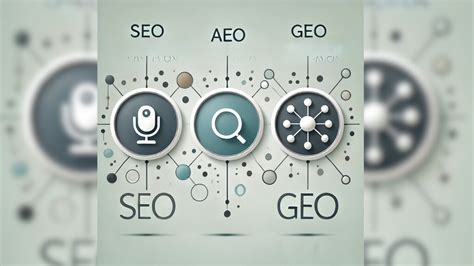
Creating a successful modern SEO content strategy requires understanding how search has evolved. Today's content strategy for SEO must account for traditional search engines, AI-powered platforms like ChatGPT and Perplexity, and voice assistants. This comprehensive guide explores how to develop an AI-powered content strategy that creates high-quality SEO content and search-optimized content designed for content for ranking across all search platforms. Through strategic content creation and effective content planning for SEO, businesses can achieve sustainable growth and visibility in the modern search landscape.
What is a Modern SEO Content Strategy?
What is a modern SEO content strategy? A modern SEO content strategy is a comprehensive approach to content planning for SEO that creates search-optimized content designed to rank in traditional search engines while also being optimized for AI-powered search platforms. Unlike traditional content strategy for SEO that focused primarily on keyword optimization, modern SEO content strategy emphasizes creating high-quality SEO content that provides comprehensive answers, demonstrates expertise, and is structured for both human readers and AI systems.
Effective modern SEO content strategy combines SEO content optimization techniques with AI-powered content strategy principles to create content for ranking that performs across all search platforms. This approach to strategic content creation ensures your search-optimized content is discoverable, authoritative, and valuable to both search engines and users.
1. Search Intent & User Journey: The Foundation of Content Strategy
Understanding search intent and mapping the user journey is fundamental to any modern SEO content strategy. Search intent analysis helps you create content that matches intent, ensuring your search-optimized content provides what users are actually looking for.
Search Intent Analysis for Content Strategy
Effective search intent analysis involves understanding four primary types of search intent:
- Informational intent: Users seeking information or answers. This requires informational SEO content like guides, tutorials, and educational articles that provide comprehensive answers.
- Navigational intent: Users looking for a specific website or page. Your content strategy for SEO should ensure your brand pages rank for brand searches.
- Transactional intent: Users ready to make a purchase or take action. This requires transactional SEO content like product pages, service descriptions, and landing pages optimized for conversions.
- Commercial investigation: Users comparing options before making a decision. Your modern SEO content strategy should include comparison content and buying guides.
User Journey Mapping for Content Planning
User journey mapping helps you understand how users move from awareness to conversion, informing your content planning for SEO. Effective user journey mapping identifies:
- Awareness stage content: Educational informational SEO content that introduces topics and answers initial questions
- Consideration stage content: Comparison and evaluation search-optimized content that helps users make decisions
- Decision stage content: Transactional SEO content optimized for conversions and action-taking
By aligning your content strategy for SEO with search intent and user journey stages, you create content that matches intent and drives better results. This search intent optimization approach ensures your high-quality SEO content serves users at every stage of their journey.
2. Keyword Research & Topic Clusters: Building Content Authority
Effective keyword research and topic clusters form the foundation of successful modern SEO content strategy. Keyword-driven content that's organized into content clusters helps build topic authority and improves overall search-optimized content performance.
Keyword Mapping for Content Strategy
Keyword mapping is the process of assigning target keywords to specific pages in your content strategy for SEO. Effective keyword mapping ensures:
- Each piece of search-optimized content targets specific primary and secondary keywords
- Your content planning for SEO avoids keyword cannibalization (multiple pages targeting the same keywords)
- Keyword-driven content is organized logically across your site
- Your modern SEO content strategy covers all relevant semantic keyword groups
Content Clusters and Topic Authority
How do content clusters help SEO? Content clusters are groups of related content organized around a central pillar page. This content strategy for SEO approach helps build topic authority by demonstrating comprehensive coverage of topics.
Effective content clusters include:
- Pillar pages: Comprehensive, high-level long-form SEO content that covers broad topics
- Cluster content: Supporting search-optimized content that covers specific aspects of the pillar topic
- Internal linking: Strategic links connecting cluster content to pillar pages, creating semantic content structuring
This supporting content strategy approach helps search engines understand your expertise and authority on topics, improving your topic authority and overall content for ranking performance. Content clusters are essential for modern SEO content strategy because they demonstrate comprehensive topic coverage that both search engines and AI systems value.
Semantic Keyword Groups
Semantic keyword groups are related keywords that search engines understand as conceptually connected. Your content strategy for SEO should incorporate semantic keyword groups naturally throughout search-optimized content to help search engines understand context and relationships.
3. Content Formats That Rank: Choosing the Right Structure
Different content formats perform better for different types of searches and intents. Your modern SEO content strategy should include various content formats optimized for different goals and search types.
Long-Form Articles for Comprehensive Coverage
Long-form SEO content (typically 2,000+ words) performs well for comprehensive topics and helps establish topic authority. Long-form articles provide in-depth coverage that search engines and AI systems value, making them essential for content for ranking in competitive niches.
How-To Guides for Instructional Content
How-to guides are highly effective search-optimized content formats that match informational search intent. These content formats work well for AI-powered content strategy because they provide step-by-step instructions that AI systems can easily extract and recommend.
Comparison Pages for Commercial Intent
Comparison pages are effective content formats for commercial investigation searches. These search-optimized content pieces help users evaluate options and make decisions, making them valuable for content strategy for SEO targeting transactional intent.
Service Pages for Business Visibility
Service pages are essential content formats for businesses offering services. These search-optimized content pages should be optimized for service-related keywords and include clear calls-to-action, important for SEO content that converts.
Pillar Pages for Topic Authority
Pillar pages are comprehensive long-form SEO content pieces that serve as the foundation of content clusters. These content formats establish topic authority and provide comprehensive coverage of broad topics, essential for modern SEO content strategy.
4. Optimizing Content for Search Engines: On-Page SEO Essentials
Effective on-page content optimization is crucial for content for ranking in search results. Your content strategy for SEO must include proper on-page SEO techniques to ensure search engines can understand and rank your search-optimized content.
Heading Structure Optimization
Heading structure optimization involves using H1, H2, H3 tags logically to create a clear hierarchy in your search-optimized content. Effective heading structure optimization:
- Uses a single H1 tag that includes your primary keyword
- Organizes content with H2 and H3 tags that create logical sections
- Incorporates keywords naturally into headings for on-page content optimization
- Creates a clear structure that helps both users and search engines understand your high-quality SEO content
Strategic Use of Keywords
Strategic use of keywords in your content strategy for SEO involves:
- Placing primary keywords in the title, first paragraph, and headings
- Naturally incorporating semantic keyword groups throughout search-optimized content
- Avoiding keyword stuffing while ensuring keywords appear in key locations
- Using keyword-driven content approaches that prioritize user value over keyword density
Internal Linking Strategy
An effective internal linking strategy connects related search-optimized content and helps search engines understand your site structure. Your content strategy for SEO should include:
- Linking from content clusters to pillar pages
- Connecting related topics through semantic content structuring
- Using descriptive anchor text that provides context
- Creating logical pathways through your high-quality SEO content
Readability Optimization
Readability optimization ensures your search-optimized content is accessible and engaging. Effective readability optimization includes:
- Using short paragraphs and sentences for easy scanning
- Breaking up long-form SEO content with subheadings, bullet points, and visuals
- Writing in a clear, conversational tone that matches your audience
- Ensuring your content for ranking is actually readable and valuable to users
5. Entity-Based Optimization: Semantic SEO for Modern Search
Entity-based content optimization and semantic SEO are essential for modern SEO content strategy. This approach helps search engines understand the relationships between concepts in your search-optimized content, improving entity recognition and overall content for ranking performance.
Semantic SEO for Content Strategy
Semantic SEO involves creating semantic content structuring that helps search engines understand meaning and context. Your content strategy for SEO should incorporate semantic SEO principles by:
- Using related terms and synonyms naturally throughout search-optimized content
- Creating semantic content structuring that shows relationships between concepts
- Including context and background information that helps with entity recognition
- Building content clusters that demonstrate comprehensive topic coverage
Structured Data Markup for Content
Structured data markup helps search engines understand your search-optimized content more clearly. Implementing structured data markup in your content strategy for SEO includes:
- Article schema for blog posts and articles
- FAQ schema for question-and-answer content formats
- HowTo schema for instructional search-optimized content
- Organization schema to establish your business as an authoritative entity
This semantic markup for content clarity helps search engines parse and understand your high-quality SEO content, improving entity recognition and content for ranking potential.
NLP-Optimized Content
NLP-optimized content (Natural Language Processing) is written in ways that both humans and AI systems can easily understand. Your modern SEO content strategy should create NLP-optimized content that:
- Uses natural, conversational language
- Provides clear definitions and explanations
- Establishes clear relationships between concepts
- Helps with entity recognition through clear context
6. AEO-Ready Content: Optimizing for Answer Engines
How does AI affect SEO content? AI-powered search platforms like ChatGPT, Perplexity, Gemini, and Claude require structured content for AI that's formatted for easy extraction and recommendation. Your modern SEO content strategy must include AEO-ready content to appear in AI-powered search results.
Structured Content for AI
Structured content for AI uses AI-readable content formatting that makes it easy for AI systems to extract information. Your content strategy for SEO should create structured content for AI by:
- Using clear question-and-answer formats that provide succinct factual answers
- Creating optimized FAQ content with structured questions and direct answers
- Formatting content with AI-readable content formatting that uses clear headings and sections
- Providing direct, answer-ready content that AI systems can easily extract and cite
Answer-Ready Formatting
Answer-ready formatting structures your search-optimized content so AI systems can easily identify and extract answers. Effective answer-ready formatting includes:
- Clear question headings (H2/H3) followed by direct answers
- Direct answers provided immediately after questions
- Precise definitions of key terms and concepts
- Authoritative SEO explanations that demonstrate expertise
Optimized FAQ Content
Optimized FAQ content is essential for AEO-ready content because AI systems frequently cite FAQ sections when answering questions. Your content strategy for SEO should include optimized FAQ content that:
- Addresses common customer questions with succinct factual answers
- Uses question-based optimization that matches how people actually ask questions
- Provides authoritative SEO explanations that demonstrate expertise
- Uses proper schema markup for structured content for AI
How Do I Optimize Content for AI Engines?
How do I optimize content for AI engines? To optimize content for AI engines, focus on creating structured content for AI with AI-readable content formatting. Use question-based optimization to structure content as questions and answers, provide direct, answer-ready content with succinct factual answers, and ensure your search-optimized content includes authoritative SEO explanations that AI systems can trust and cite.
7. GEO-Ready Content Architecture: Machine-Readable Structure
GEO-ready content architecture ensures your content strategy for SEO creates machine-friendly content structure that AI systems can learn from and incorporate into knowledge bases. This content designed for AI engines approach helps with long-term visibility in AI-powered search.
Machine-Friendly Content Structure
Machine-friendly content structure uses AI-ready content architecture that makes your search-optimized content easy for AI systems to parse and understand. Your modern SEO content strategy should create machine-friendly content structure by:
- Using clear hierarchical structures with proper heading tags
- Implementing structured content templates that ensure consistency
- Creating machine-readable hierarchy that helps AI systems understand content relationships
- Ensuring your content designed for AI engines follows logical, predictable patterns
Entity-Based Content Optimization
Entity-based content optimization helps AI systems understand and associate your content with relevant entities. Your content strategy for SEO should implement entity-based content optimization by:
- Clearly defining entities (people, places, concepts) in your search-optimized content
- Establishing relationships between entities through entity-linking within content
- Creating geo-clustered topic entities that group related concepts
- Using semantic markup for content clarity to help with entity recognition
Metadata Optimization
Metadata optimization ensures your search-optimized content includes comprehensive metadata that helps AI systems understand context. Your content strategy for SEO should include metadata-rich content with:
- Comprehensive meta descriptions that summarize content
- Proper title tags that include keywords and context
- Alt text for images that provides descriptive information
- Structured data markup that provides explicit signals about content meaning
Structured Content Templates
Structured content templates ensure consistency across your content strategy for SEO and help create machine-readable hierarchy. Using structured content templates for your search-optimized content ensures:
- Consistent formatting that AI systems can learn to recognize
- Predictable structures that improve AI-ready content architecture
- Easier content creation through reusable templates
- Better entity-linking within content through consistent patterns
8. Performance & Content Maintenance: Keeping Content Fresh
Effective content strategy for SEO includes ongoing content performance tracking and content maintenance to ensure your search-optimized content continues to perform well over time. Regular content audits and updates are essential for maintaining content for ranking positions.
Content Audit Strategy
A comprehensive content audit strategy helps you identify which search-optimized content is performing well and which needs improvement. Your content audit strategy should include:
- Analyzing content performance tracking data to identify top and underperforming pages
- Reviewing keyword rankings to find content that's losing positions
- Assessing CTR and engagement metrics to identify content that needs optimization
- Evaluating content for ranking potential and identifying optimization opportunities
Updating Decayed Content
How often should I update SEO content? Regular updates are essential for maintaining content for ranking positions. Updating decayed content involves:
- Refreshing outdated information in your search-optimized content
- Adding new sections to long-form SEO content to keep it comprehensive
- Updating statistics, examples, and case studies to maintain relevance
- Improving on-page content optimization based on current best practices
Regular content maintenance signals to search engines that your high-quality SEO content is current and valuable, helping maintain content for ranking positions over time.
Content Performance Tracking
Content performance tracking involves monitoring CTR and engagement metrics to understand how your search-optimized content performs. Key content performance tracking metrics include:
- Traffic from organic search for each piece of content for ranking
- CTR and engagement metrics like time on page, bounce rate, and pages per session
- Conversion rates from search-optimized content
- Changes in keyword rankings for content-specific keywords
9. Conversion-Driven Content: SEO Content That Converts
While content for ranking is important, SEO content that converts is essential for demonstrating the business value of your content strategy for SEO. Your modern SEO content strategy should include conversion-driven content that drives both traffic and business results.
Optimizing Call-to-Action Placement
Optimizing call-to-action placement in your search-optimized content helps convert traffic into leads and customers. Effective optimizing call-to-action placement involves:
- Placing CTAs naturally within content for ranking without disrupting the reading experience
- Using multiple CTAs throughout long-form SEO content to capture users at different engagement levels
- Creating lead-focused content structure that guides users toward conversion points
- Testing different CTA placements and messaging to optimize SEO content that converts
Lead-Focused Content Structure
Lead-focused content structure organizes your search-optimized content to guide users toward conversion. Your content strategy for SEO should create lead-focused content structure by:
- Providing valuable information that builds trust before asking for conversions
- Using content-led SEO growth approaches that attract qualified traffic
- Creating clear pathways from informational SEO content to transactional SEO content
- Ensuring your SEO content that converts provides value while encouraging action
Content Workflows for SEO: Streamlining Content Creation
Effective content workflows for SEO streamline your content planning for SEO and ensure consistent quality across your search-optimized content. Well-designed content workflows for SEO help you create high-quality SEO content efficiently and systematically.
SEO-Driven Content Planning
SEO-driven content planning ensures your content strategy for SEO aligns with search optimization goals. Effective SEO-driven content planning includes:
- Keyword research and keyword mapping before content creation
- Content briefs that include target keywords, search intent analysis, and optimization guidelines
- Editorial calendars that align with content clusters and topic authority goals
- Quality control processes that ensure on-page content optimization standards
What Makes Content Authoritative in SEO?
What makes content authoritative in SEO? Authoritative search-optimized content demonstrates expertise, provides comprehensive coverage, and earns trust from both users and search engines. Your content strategy for SEO should create authoritative SEO explanations by:
- Providing in-depth, comprehensive coverage of topics (especially in long-form SEO content)
- Demonstrating expertise through detailed explanations and authoritative SEO explanations
- Earning backlinks from reputable sources that signal authority
- Maintaining accuracy and updating content regularly to stay current
- Building topic authority through comprehensive content clusters that cover all aspects of topics
What Type of Content Ranks Best?
What type of content ranks best? The best content for ranking depends on search intent and competition, but generally:
- Long-form SEO content (2,000+ words) performs well for comprehensive topics and helps build topic authority
- How-to guides rank well for informational searches and work effectively for AI-powered content strategy
- Comparison pages perform well for commercial investigation searches
- Pillar pages establish topic authority and serve as foundations for content clusters
- Service pages are essential for businesses and can drive SEO content that converts
The key is matching content formats to search intent and ensuring your search-optimized content provides comprehensive, valuable information that both users and search engines value.
Content-Led SEO Growth: Building Sustainable Traffic
Content-led SEO growth focuses on creating valuable search-optimized content that attracts organic traffic over time. This content strategy for SEO approach prioritizes quality and comprehensiveness to build sustainable content for ranking performance.
Strategies for Content-Led SEO Growth
- Comprehensive topic coverage: Create content clusters that thoroughly cover topics to build topic authority
- Regular content publication: Consistently publish high-quality SEO content to expand your search-optimized content library
- Internal linking: Connect related content for ranking through strategic internal linking strategy
- Content updates: Regularly refresh existing search-optimized content to maintain rankings
What Metrics Matter for Content Performance?
What metrics matter for content performance? Key metrics for content performance tracking include:
- Organic traffic: How much traffic each piece of content for ranking generates
- Keyword rankings: Where your search-optimized content ranks for target keywords
- CTR and engagement metrics: Click-through rates, time on page, bounce rate, and pages per session
- Conversion metrics: How well your SEO content that converts drives leads and sales
- Backlinks: How many quality links your high-quality SEO content earns
Common Content Strategy Mistakes to Avoid
Many businesses make mistakes in their content strategy for SEO that hurt performance. Common pitfalls include:
- Keyword stuffing: Over-optimizing with keywords makes search-optimized content less natural and can hurt rankings
- Thin content: Creating surface-level content for ranking that doesn't provide comprehensive value
- Ignoring search intent: Creating content that doesn't match intent leads to high bounce rates and poor performance
- Neglecting content maintenance: Failing to update search-optimized content leads to content decay and ranking losses
- Not optimizing for AI: Ignoring structured content for AI and AI-readable content formatting misses opportunities in AI-powered search
Conclusion: Building a Comprehensive Modern SEO Content Strategy
A successful modern SEO content strategy requires balancing traditional content strategy for SEO principles with AI-powered content strategy techniques. By creating high-quality SEO content that's optimized for both search engines and AI systems, businesses can achieve content for ranking across all search platforms.
The key to effective content strategy for SEO is understanding that search-optimized content must serve multiple purposes: it must rank in traditional search, appear in AI-powered answers, provide value to users, and drive business conversions. Through strategic content creation that incorporates keyword-driven content, content clusters, topic authority building, semantic content structuring, and on-page content optimization, businesses can create search-optimized content that achieves all these goals.
Whether you're creating long-form SEO content for comprehensive coverage, how-to guides for instructional searches, or service pages for business visibility, the principles of modern SEO content strategy apply: understand search intent, create valuable high-quality SEO content, optimize for both traditional and AI-powered search, and continuously track and improve performance. The businesses that invest in comprehensive content planning for SEO and consistently create search-optimized content that serves users and search engines alike will achieve sustainable growth and visibility in the modern search landscape.
Frequently Asked Questions About Content Strategy for SEO
What is a modern SEO content strategy?
A modern SEO content strategy is a comprehensive approach to content planning for SEO that creates search-optimized content designed to rank in traditional search engines while also being optimized for AI-powered search platforms. It combines SEO content optimization with AI-powered content strategy principles to create high-quality SEO content that performs across all search platforms.
How do content clusters help SEO?
Content clusters help SEO by organizing related search-optimized content around central pillar pages, building topic authority through comprehensive coverage. This content strategy for SEO approach demonstrates expertise to search engines, improves semantic content structuring, and helps establish your site as an authoritative source on topics, improving overall content for ranking performance.
What type of content ranks best?
The best content for ranking depends on search intent, but long-form SEO content (2,000+ words), how-to guides, comparison pages, pillar pages, and service pages typically perform well. The key is matching content formats to search intent and ensuring your search-optimized content provides comprehensive, valuable information.
How does AI affect SEO content?
How AI affects SEO content is significant: AI-powered search platforms require structured content for AI with AI-readable content formatting. Your content strategy for SEO must include AEO-ready content with direct, answer-ready content and optimized FAQ content to appear in AI-powered search results. This AI-powered content strategy approach ensures your search-optimized content is discoverable by both traditional search engines and AI systems.
How do I optimize content for AI engines?
How to optimize content for AI engines involves creating structured content for AI with AI-readable content formatting. Use question-based optimization to structure content as questions and answers, provide direct, answer-ready content with succinct factual answers, implement optimized FAQ content, and ensure your search-optimized content includes authoritative SEO explanations that AI systems can trust and cite.
What makes content authoritative in SEO?
What makes content authoritative in SEO includes comprehensive coverage (especially in long-form SEO content), authoritative SEO explanations that demonstrate expertise, backlinks from reputable sources, regular updates to maintain accuracy, and building topic authority through comprehensive content clusters. Authoritative search-optimized content earns trust from both users and search engines.
How often should I update SEO content?
How often to update SEO content depends on your industry and content type, but regular updates are essential for maintaining content for ranking positions. Updating decayed content should happen when you notice ranking declines, when information becomes outdated, or quarterly for high-performing search-optimized content. Regular content maintenance signals to search engines that your high-quality SEO content is current and valuable.
What metrics matter for content performance?
What metrics matter for content performance include organic traffic to each piece of content for ranking, keyword rankings for target keywords, CTR and engagement metrics (click-through rates, time on page, bounce rate), conversion metrics showing how well your SEO content that converts drives leads and sales, and backlinks earned by your high-quality SEO content. These content performance tracking metrics help assess the effectiveness of your content strategy for SEO.